
In a strategic decision heralded by the Democratic Alliance (DA), the Western Cape Provincial Government has placed the Knysna Municipality under administration as of September 2025. This move comes in response to chronic service delivery failures that have plagued the municipality, particularly during the tenure of the previous ANC-led coalition. The DA, led by Constituency Head Ryan Smith, has welcomed this intervention as a much-needed step toward restoring order and efficiency in local governance.
Knysna, known for its picturesque landscapes and vibrant tourism, has suffered significantly in recent years due to mismanagement and infrastructure decay. Residents have experienced ongoing issues with essential services including wastewater treatment, consistently citing concerns over health and environmental hazards resulting from the neglect of these facilities. With the administration now in place, hopes are high that these debilitating issues will soon be addressed.
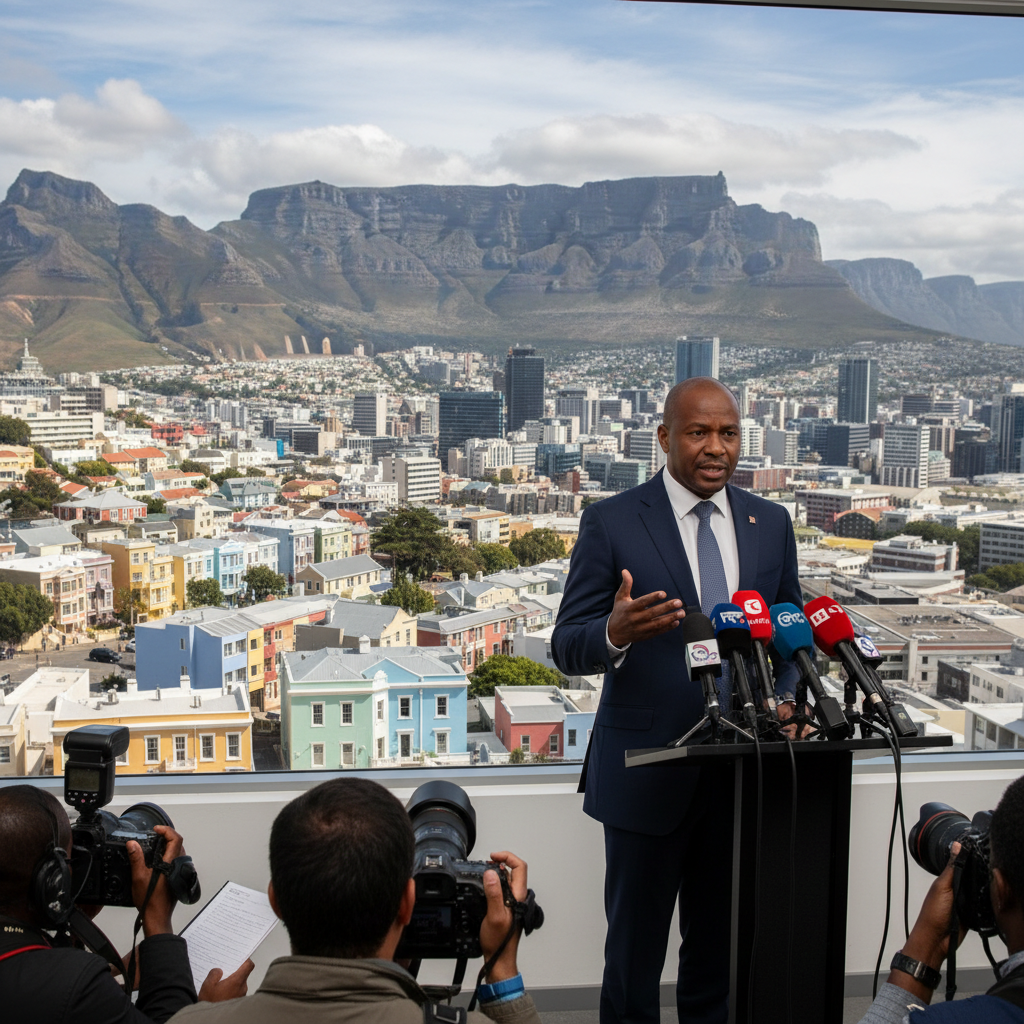
Ryan Smith, during a press briefing responding to the administration announcement, stated, “This is a crucial step in restoring essential services and infrastructure in Knysna. We believe a non-political administration can effectively address the dire needs of the community without the interference that has historically plagued local governance.” This sentiment resonates deeply with Knysna residents who have expressed frustration over the slow response times and lack of accountability from their elected officials.
“"This is a crucial step in restoring essential services and infrastructure in Knysna," Ryan Smith said.”
The transition to administration signifies a critical intervention at a time when the credibility of municipal governance has been tested. Service delivery failures have prompted intense scrutiny of past administrations and the mechanisms by which they function. As the DA points out, the prior coalition's inability to manage basic services has led to erosion of public trust.
Environmentally, the effects of the municipality's service delivery shortcomings are palpable. Reports of sewage spills and non-compliance with health regulations have not only endangered public health but have also threatened the region’s wildlife and natural beauty, which are integral to Knysna's tourism-driven economy. The potential for restoring Knysna’s once-thriving reputation hangs in the balance, contingent upon the effectiveness of the new administrative approach.
The DA's vocal support for the administration reflects its broader commitment to effective governance in the Western Cape. In comparison to other provinces where similar issues have resulted in widespread public dissatisfaction and unrest, the DA's proactive steps to rectify Knysna's outstanding challenges may set a benchmark for municipal governance.
As of now, the details of how the administration will operate remain to be fully disclosed. Stakeholders await clarity on the team appointed to oversee the municipality, particularly their strategies for addressing the failures in service delivery, reclaiming institutional integrity, and engaging with the public. Transparency during this period will be key in re-establishing the trust of the community in their local government officials.
While the DA has lauded this move, some critics have raised concerns about the long-term implications of such administrative actions. Questions have surfaced regarding the effectiveness of administrative interventions in resolving deep-rooted issues within municipalities. While Knysna navigates this period of administrative oversight, the province of the Western Cape must balance immediate recovery strategies with sustainable long-term governance reforms.
As this intervention unfolds, it is crucial for local residents, businesses, and stakeholders to remain engaged. A collective effort is required to not only monitor the progress made under this administration but also to ensure that the governing body is held accountable for the commitments made to restore municipal services.
In a province often lauded for its commitment to effective governance, Knysna’s experience may serve as a litmus test. The outcomes of this administrative action will indeed reverberate throughout the Western Cape, influencing perceptions about regional governance and potentially impacting the political landscape come future elections.
For the DA, the successful management of Knysna’s affairs under administration could bolster their narrative of capable governance, positioning them as a party committed to serving the best interests of all citizens in the Western Cape. The restoration of basic infrastructure and services in Knysna not only carries the weight of local expectation but also holds regional significance, exemplifying what effective governance should achieve in South Africa.
In the coming months, as the new administration begins to implement its strategies, the eyes of the province will be focused on Knysna. Residents and community leaders must advocate for transparency and engagement to ensure that this intervention delivers the promised improvements in their beloved municipality.