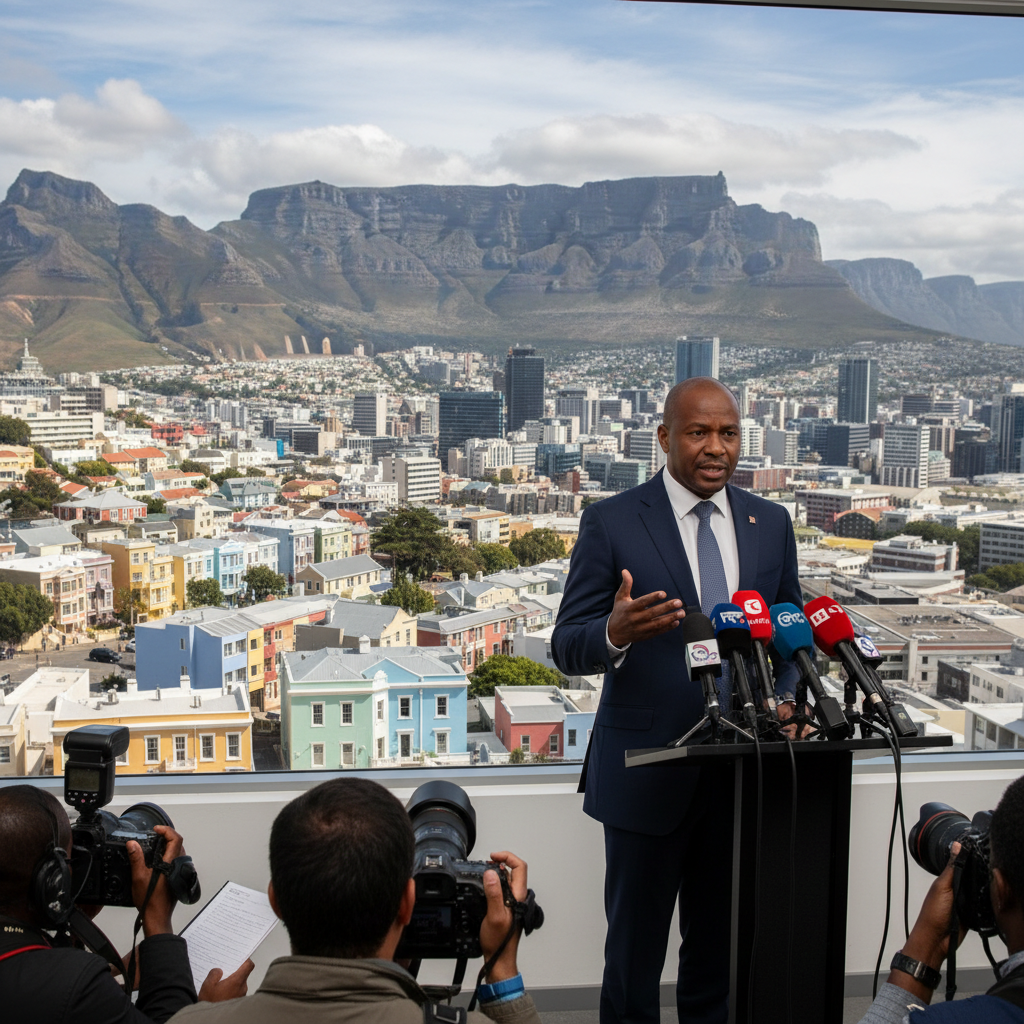
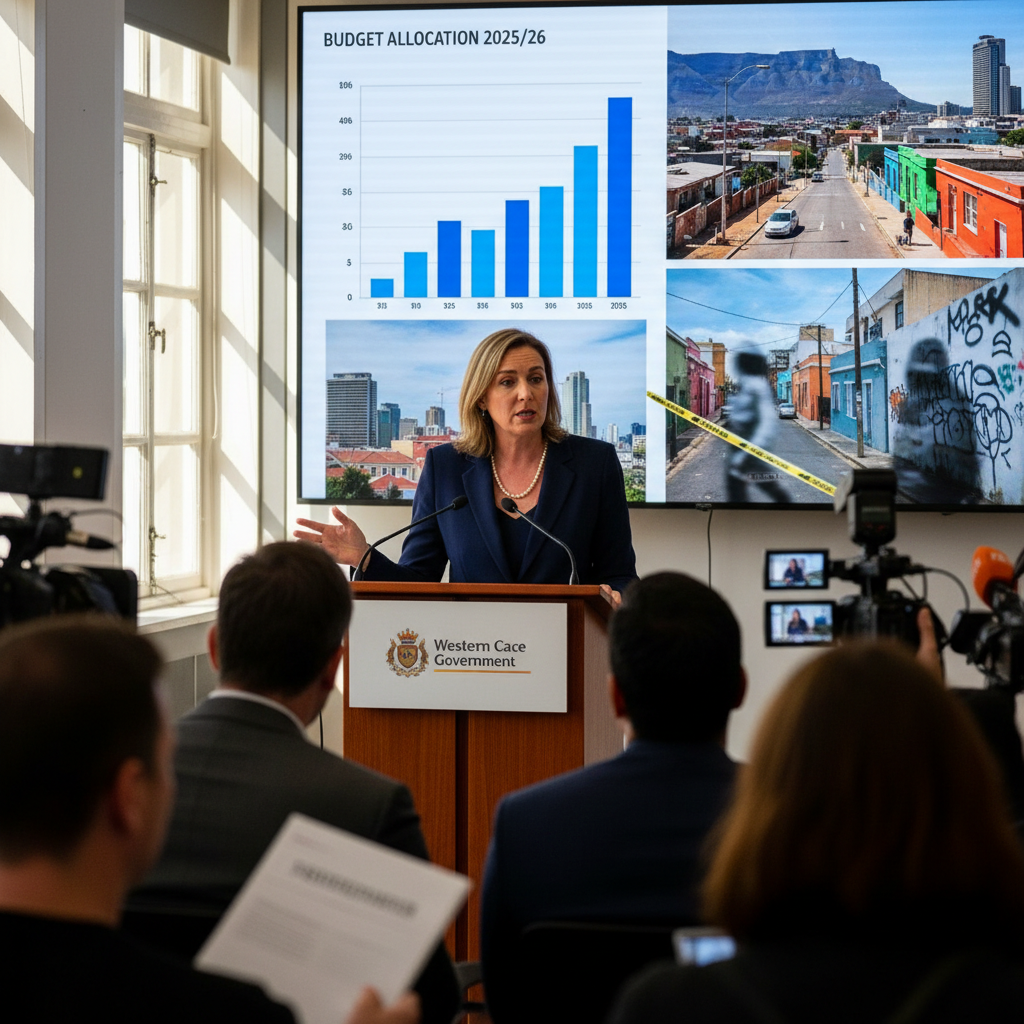
In a bold move aimed at curbing the spiralling crime rates and gang violence plaguing the Western Cape, the provincial government has announced a significant allocation of R8.6 billion over the next three years. This initiative, revealed by Finance MEC Deidré Baartman in March 2026, marks a comprehensive approach to not only bolster policing efforts but also address the socio-economic factors contributing to violence in communities, particularly those affected by gang activity.
The announcement comes in response to escalating concerns over public safety among residents, particularly in areas such as the Cape Flats, where gang violence and crime have become everyday realities. Baartman highlighted that a substantial portion of the funding would be directed towards enhanced policing measures, which include the establishment of a provincial Anti-Gang Hub supported by R6 million in resources. This hub is expected to facilitate better intelligence-sharing among law enforcement agencies and focus on high-risk areas plagued by gang wars.
According to the provincial government, a significant aspect of the strategy will involve enhancing the capacity and capabilities of detectives within the South African Police Service (SAPS). A pilot programme aimed at improving detective proficiency will run alongside the newly allocated funds, thereby increasing the police’s efficacy in solving cases and deterring crime.
“A commitment to not only fight crime but to transform communities for good.”
"Investing in our police force is vital for preventative measures against gang violence, but we must also address the underlying issues that lead to this violence in the first place," said Baartman during the press conference. She emphasised that crime is not merely a policing issue but necessitates a holistic approach, including social interventions that can help in reducing the factors that lead youths into gangs.
The R8.6 billion multi-year plan will also focus on community empowerment programmes aimed at providing economic opportunities and educational resources to help steer vulnerable individuals away from crime. The provincial government aims to work closely with community organisations to implement projects that deliver sustainable solutions to the region’s challenges.
In addition to police support, funding will also tackle critical social services such as mental health support and intervention programmes for at-risk youth. Stakeholder engagement with local NGOs and community leaders will be essential to ensuring the effectiveness of these initiatives.
Critics have noted that while this financial commitment represents a positive step forward in fighting crime, it must be coupled with accountability measures to ensure the funds are used effectively. Transparency in how these resources are allocated will be pivotal to restoring public trust in both the government and the police force.
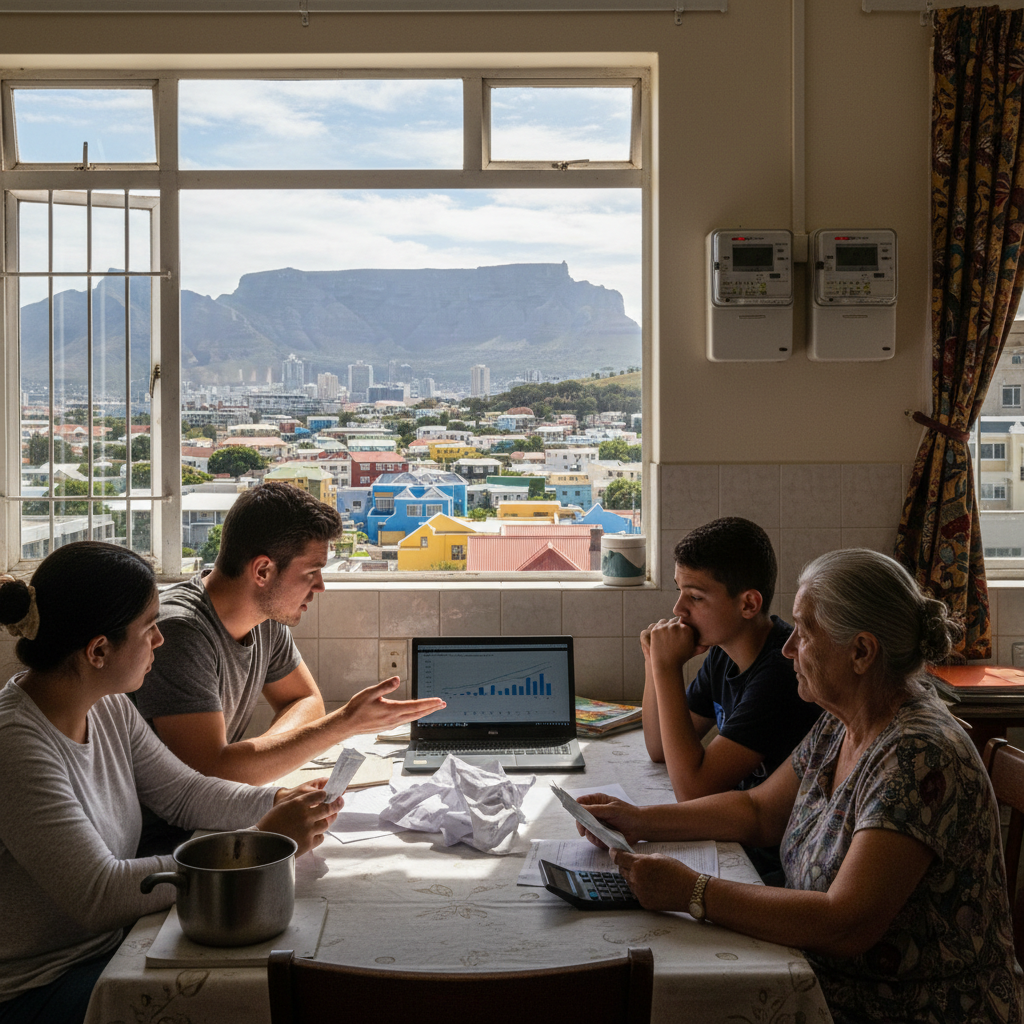
Local resident and activist Thandi Nkosi, whose community has suffered from the adverse impacts of gang violence, stated, "We need to see the money being used wisely; it’s not just about throwing cash at the problem. We need real, sustainable change in our communities." Nkosi represents many voices in Cape Town who are hopeful yet cautious about the proposed changes.
This comprehensive strategy is not just a response to the current crisis but an acknowledgment of the ongoing struggle faced by many communities across the province. The Western Cape government hopes that through these investments, safety and security can be restored, leading to enhanced quality of life for all residents.
As the Western Cape embarks on this ambitious plan, the eyes of citizens will be closely monitoring progress. The allocation of R8.6 billion is a clear indicator that local authorities are not dismissing the gravity of crime and violence; instead, they are stepping up with not just police strategies, but initiatives that could transform communities for the better.
Analysis: Why This Matters
The R8.6 billion funding package is crucial for several reasons. First and foremost, it provides a glimmer of hope in the face of alarmingly high crime rates in areas ravaged by gang violence. Improved policing capabilities could lead to lower crime rates, fostering an environment where residents feel safe to walk the streets.
Furthermore, by addressing the root causes of violence, such as poverty and lack of opportunity, the funding may contribute to long-term societal change. A focus on community-based interventions could empower residents, particularly the youth, thereby breaking the cycle of violence and creating pathways to productive, crime-free futures.
This type of holistic approach is not unique to South Africa but is increasingly seen globally as an essential component of effective crime reduction strategies. However, its success will depend heavily on sincere collaboration between members of the community, law enforcement, and government.
The allocation additionally sets a precedent for future budgetary planning within the provincial government, potentially influencing how funds are allocated in other areas of public expenditure. The challenge remains that these investments must translate into tangible outcomes in community safety and economic stability.
In summary, the R8.6 billion allocation signifies a commitment to fighting crime with both traditional and innovative methods. Whether this initiative successfully translates into safer streets for all residents of Cape Town remains to be seen, but the hope for change is palpable.