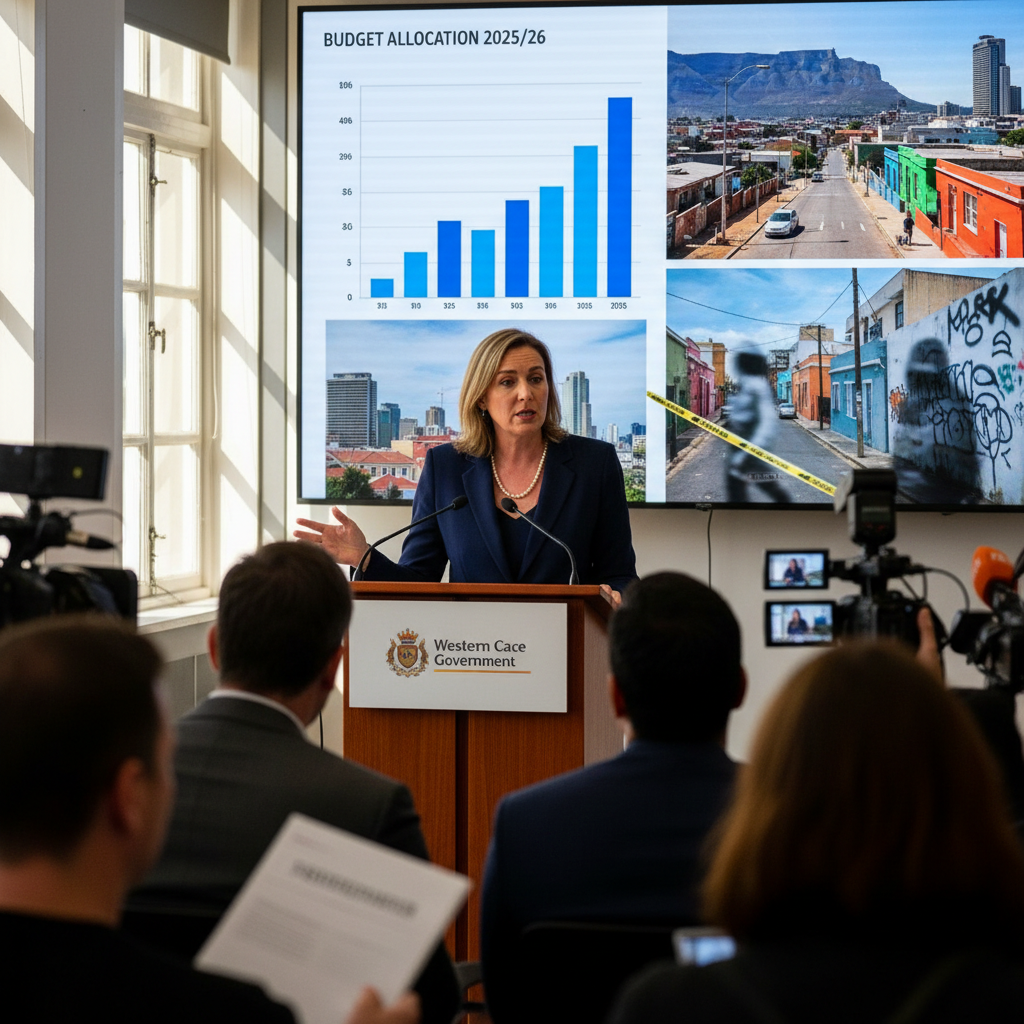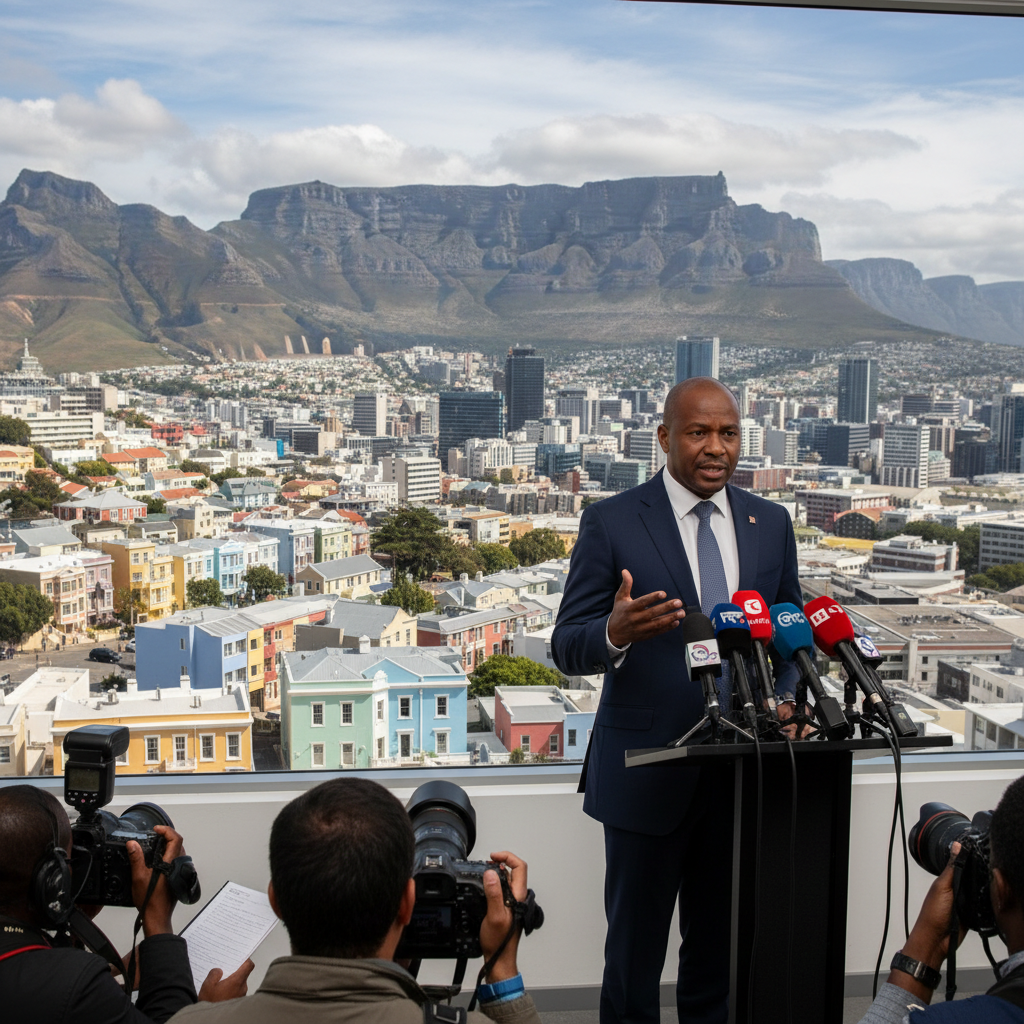
In a significant development for residents of Cape Town, Eskom has announced an electricity tariff increase that is sure to stir up mixed emotions across the city. Effective April 1, 2026, customers supplied directly by the utility will face an average increase of 8.76%. Meanwhile, municipal customers, which include those residing in Cape Town, will experience an even higher increase of 9.01%, set to take effect on July 1, 2026. This decision follows the National Energy Regulator of South Africa’s (NERSA) recent approval of tariff hikes that are notably below the amounts typically requested by Eskom, a move seen as an attempt to strike a balance between the beleaguered utility’s financial viability and the affordability needs of South African citizens.
Calib Cassim, Eskom’s group chief financial officer, indicated that the utility is striving to keep these increases "reasonable" in the face of growing operational costs and the necessity to maintain essential infrastructure. According to Cassim, Eskom’s goal is to ensure dependable power supply while also considering the economic pressures on households.
An Unforgiving Context
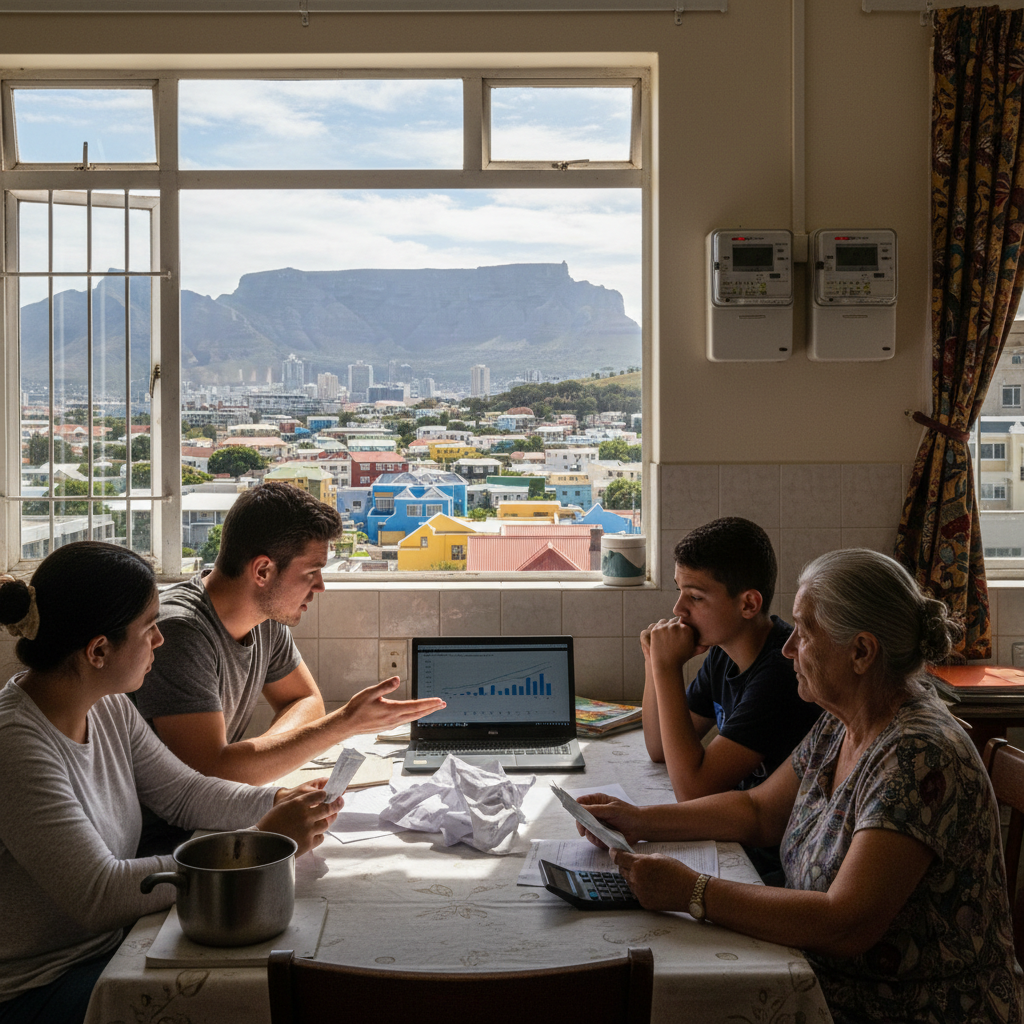
This impending increase comes at a challenging time for many households in Cape Town. The city has already seen a rise in living costs due to inflation and other socioeconomic factors. Coupled with the persistent threat of load shedding and energy reliability issues, this new tariff hike is an unwelcome addition to residents’ already strained budgets.
“With increasing electricity costs looming, Cape Town residents must adapt or struggle to make ends meet.”
Residents have expressed concerns about the growing cost of living. Many fear that the increasing tariffs could necessitate lifestyle changes, prioritising energy-efficient solutions in an effort to mitigate potential impacts on monthly expenses. While some households may attempt to adapt by reducing energy usage, this remedy may not be attainable for all, especially those who rely heavily on electricity for essential activities.
"Families are already struggling to make ends meet," says local community leader Thandiwe Nkosi. "An increase in electricity costs feels like another nail in the coffin for those of us already battling the higher cost of basic goods. We need support, not more financial burdens."
As the July 1 date approaches, many Cape Town residents are seeking solutions to navigating the impending hikes. Some may explore options such as transitioning to solar energy or reducing their overall power consumption. Local businesses, similarly, are bracing for the implications of heightened operational costs that could result from the expected increase in electricity tariffs.
The Broader Implications
The tariff increase is also a component of a larger narrative regarding Eskom's struggle to maintain financial stability while providing essential services. The utility's ongoing financial woes relate in part to systemic challenges within South Africa's energy landscape. Despite attempts to innovate and improve infrastructure, power outages and load shedding remain a significant issue, making any added financial burden on residents particularly frustrating.
Many residents are asking themselves: how can they prepare for these changes effectively? With the prospect of ongoing tariff increases in the future, understanding how to optimise energy consumption becomes increasingly essential.
While some groups advocate for government interventions to ease the burden on struggling households, the reality remains that many residents are left to bear the weight of these changes. There has been a call for Eskom to engage more constructively with communities, encouraging dialogue and understanding of the rationale behind these increases.
Why This Matters
For Cape Town residents, this upcoming tariff increase reshuffles household budgets, leaving many vulnerable to further financial distress. The measure poses a significant burden, particularly for families already navigating high expenses in various areas such as transport, food, and education. According to a local economic report, energy costs can often consume a considerable portion of a family's disposable income, leaving little room for savings or unexpected expenses.
Conversations around energy preservation and efficiency are not just pertinent, they are essential. As residents brace for these changes, community engagement and discussions about alternative energy solutions may help alleviate some of the financial pressure.
In a tight-knit community known for its resilience, vigilance is crucial. Residents must stay informed and adaptable in the face of challenges, ensuring their voices are heard and recognised in any discussions regarding electricity costs and energy policy in the future.
Ultimately, as Eskom moves forward with these tariff increases, the combined effort of every resident to understand their energy habits and remain active participants in local discourse will be fundamentally important to ensure that Cape Town’s unique community spirit endures amid the fiscal challenges ahead.