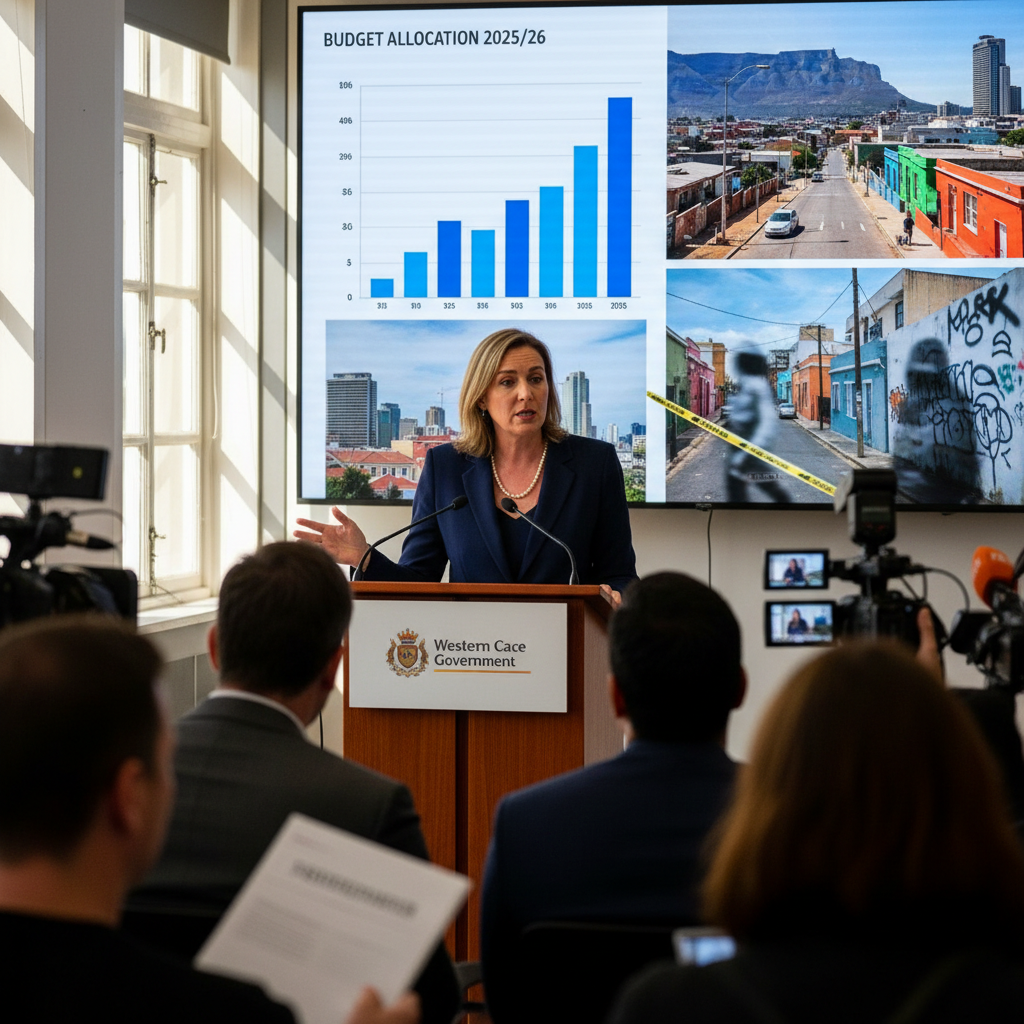
On May 7, 2026, severe weather conditions have hit the Western Cape province hard, particularly affecting the Garden Route and Central Karoo. Acting Premier Dr. Ivan Meyer and Acting Minister of Local Government Anroux Marais held a briefing to shed light on the province's ongoing response to the intense rain and strong winds brought on by a cut-off low pressure system.
The South African Weather Service had issued warnings well in advance, but the impact was still considerable, with reports of localized flooding, road closures, and a tragic fatality in the region. Local authorities confirmed the death of Ms. Lauren Fredericks, a dedicated social auxiliary worker at the Department of Social Development, who was identified as a victim amid the chaos of the storm. This loss deeply resonates within the community, reflecting the personal toll that such natural disasters inflict on our society.
In immediate response to the weather's impact, the Western Cape Government activated a Joint Operations Centre. This centre serves as a hub for coordination between various agencies, including the disaster management centres, local municipalities, and emergency services. The objective, as outlined by Müller, is to ensure a systematic response across affected areas, deploying resources where they are most needed to safeguard communities.
“The storm reminds us of the critical importance of community support during crises.”
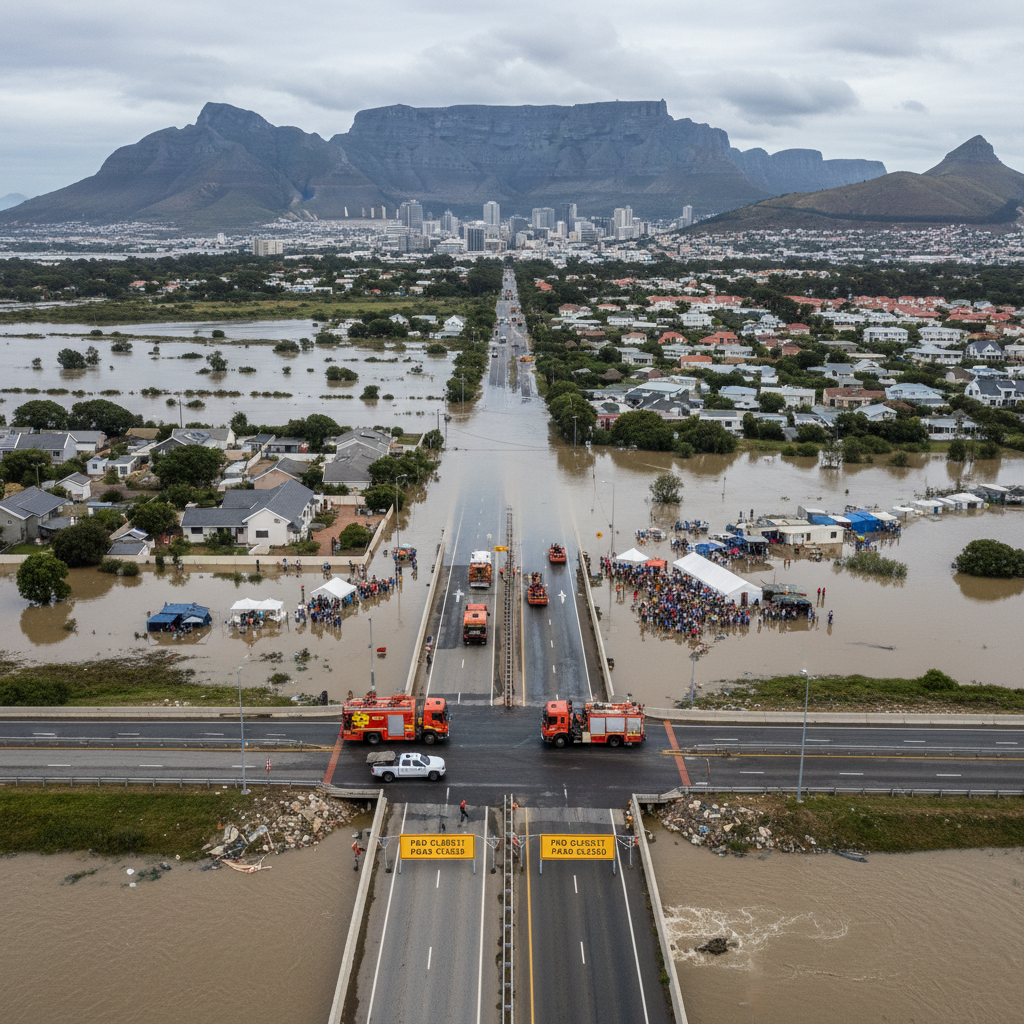
Reports have emerged of extensive road closures in the Garden Route district, with some routes impassable due to flooding and debris. Emergency shelters have been established in several municipalities to accommodate residents who have had to evacuate their homes. According to Marais, "We are working closely with our municipalities and various humanitarian partners to ensure that displaced residents receive the necessary support and care during these challenging times."
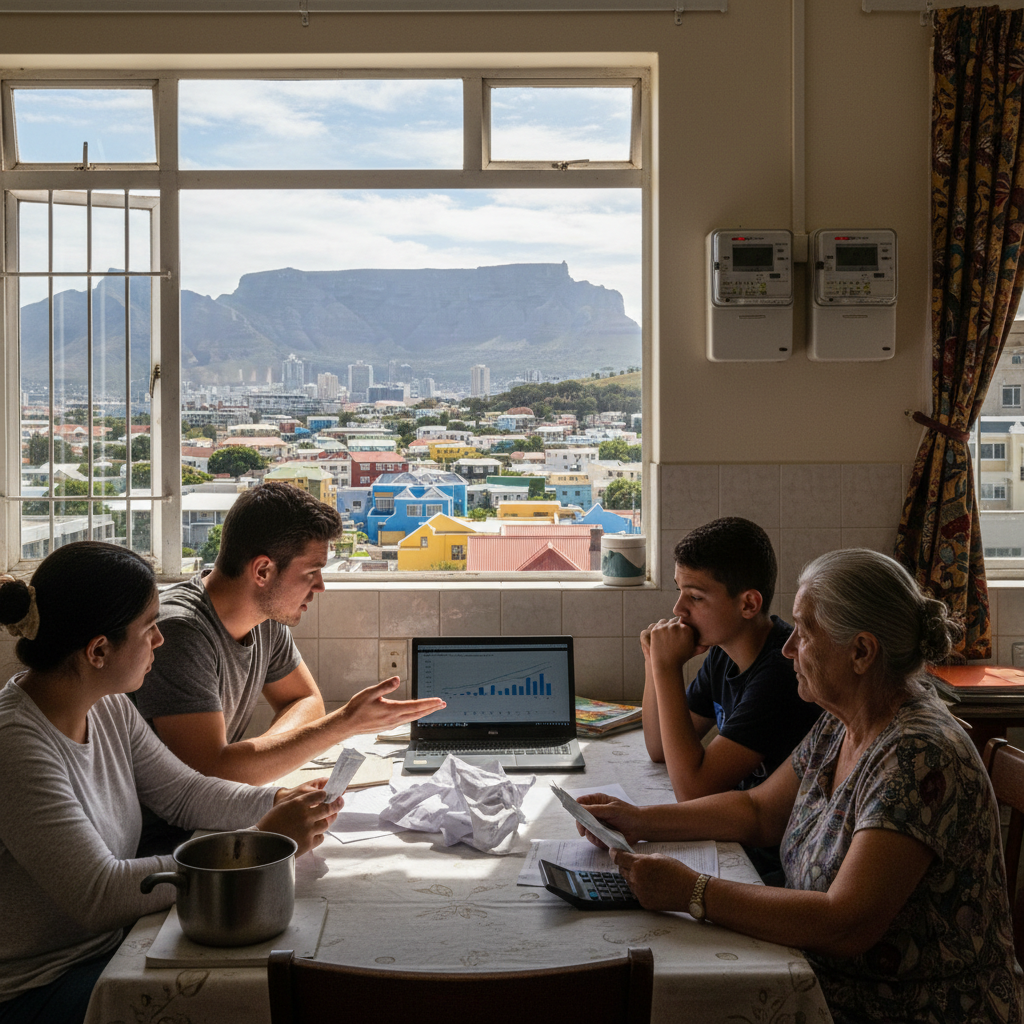
The response entails not only immediate help to those affected but also laying the groundwork for recovery efforts once the storm subsides. Relevant agencies are currently assessing the damage levels to infrastructure and homes, prioritizing support for the most vulnerable populations within the impacted communities. Women, children, and the elderly are particularly at risk during such disruptions, which makes coordinated community support vital.
Local NGO leaders, such as those from the local chapter of the South African Red Cross, have rallied their volunteers to help distribute food and essential supplies to those in need. Sean de Villiers, the organization's provincial coordinator, stated, "It's heartwarming to see communities coming together. The spirit of support and mutual aid is alive in our province, and we must continue doing this work."
In addition to establishing temporary shelters, efforts are underway to restore essential services such as electricity and running water, which have been disrupted in several areas. Local government officials have urged residents to be patient as these services are gradually restored and to remain vigilant regarding updates from the South African Weather Service concerning potential further adverse weather situations.
The Government's proactive measures are meant to alleviate at least some of the distress caused by these extreme weather conditions. The recent climate patterns have emphasized the need for clear communication between government bodies and the public. Therefore, channels like social media are crucial for disseminating information regarding road safety and available emergency assistance.
As the storm continues to impact the region, officials are stressing the importance of preparedness, urging residents to stay informed about weather conditions and comply with safety protocols in their municipalities. The community's resilience, unity, and preparedness will be crucial in the face of this challenging situation.
Analysis The recent events surrounding the severe weather in the Western Cape hold a mirror to the critical need for understanding and responding to climate change implications. While the government and community organizations are stepping up to meet the immediate challenges faced by affected residents, the ongoing discussions regarding infrastructure resilience in extreme weather instances cannot be overlooked. This is particularly relevant for areas like Cape Town, where any disruption in service can lead to significant repercussions for the population.
Preparedness plans that involve community engagement are essential, not just for disaster response but also for cultivating a culture of resilience. The loss of Ms. Fredericks illustrates the very real human toll of such emergencies. Therefore, fostering community solidarity and support systems is vital.
While the authorities deserve commendation for their swift response to a rapidly evolving situation, it is critical that public discourse continues to prioritize climate action and long-term sustainability strategies. Building on existing frameworks can help shape a safer, more resilient future for all citizens of the Western Cape.
Why This Matters The implications of severe weather like that experienced by the Garden Route and Central Karoo can ripple through society in numerous ways—displacing families, damaging infrastructure, and affecting livelihoods. For residents in and around Cape Town, this is a poignant reminder of the potential challenges that severe weather can pose on daily life. Understanding governmental strategies in crisis management can empower residents to take necessary precautions, reinforcing community ties during times of adversity.
The urgent call for preparedness and resilience, coupled with a commitment to humanitarian support, exemplifies the ongoing efforts to not only address immediate needs but also to mitigate future risks posed by climate unpredictability. This ongoing dialogue will be essential as the province navigates an uncertain ecological landscape.