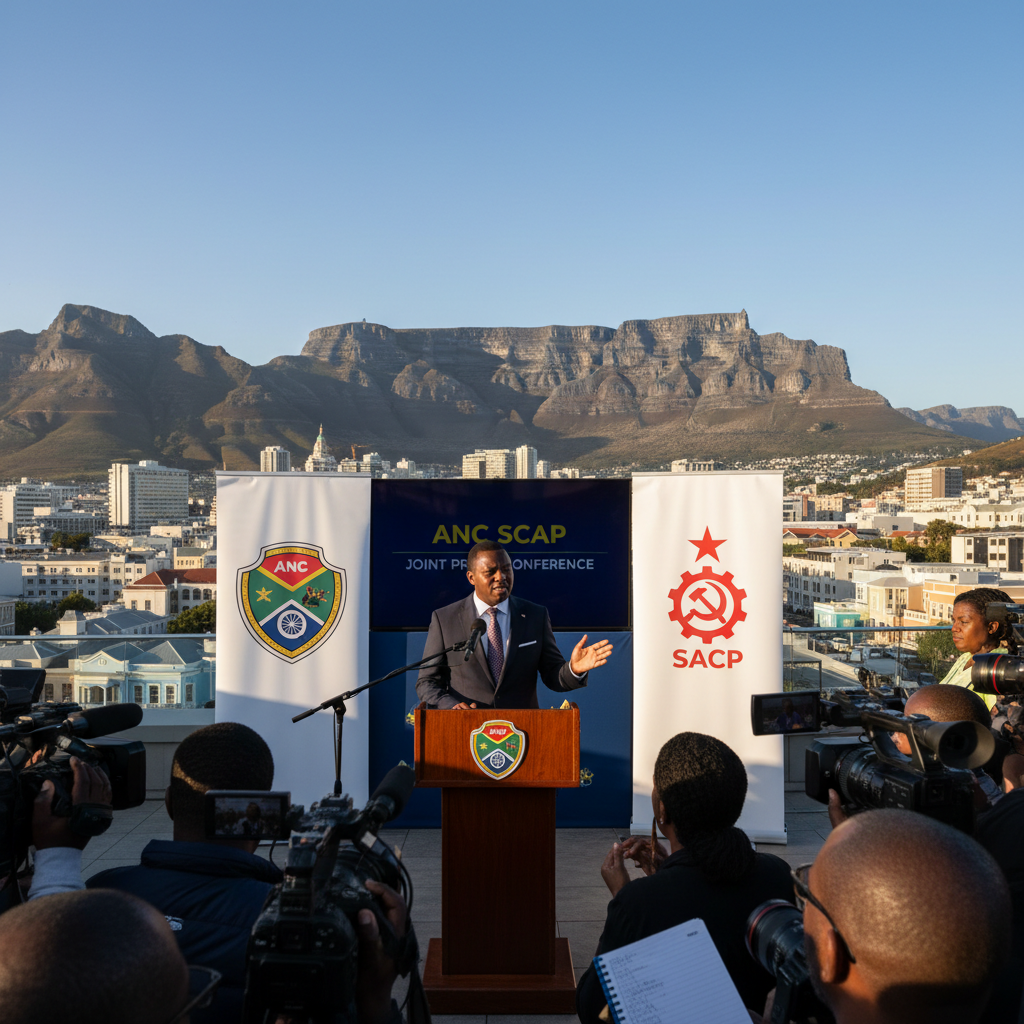
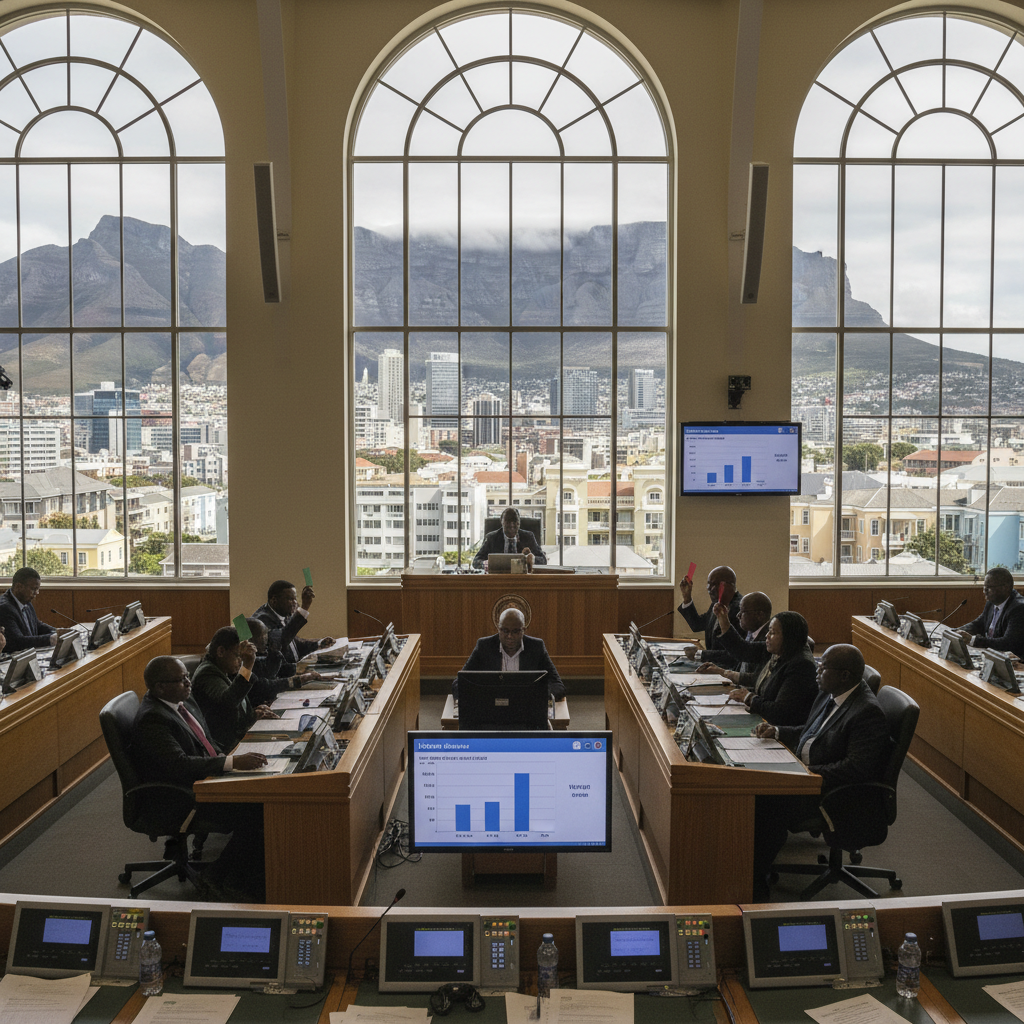
In a session marked by both agreement and contention, the South African Parliament successfully passed the 2025 and 2026 Appropriation Bill during a pivotal sitting at the Cape Town International Convention Centre in July 2025. The bill, which outlines the national budget and allocates critical resources across various government departments, was notably backed by the Democratic Alliance (DA), Patriotic Alliance (PA), Inkatha Freedom Party (IFP), ActionSA, and a coalition of other political parties. Despite this broad support, notable opposition came from the MK Party, the Economic Freedom Fighters (EFF), and the African Transformation Movement (ATM), signalling deep divisions in the political landscape regarding fiscal policy.
The passage of this bill is significant as it encapsulates the DA’s influential role in shaping South Africa’s national budget, which bears direct implications for funding at the provincial and local levels. This strategic maneuver signifies a notable shift in the Parliament’s approach to collaboration amidst longstanding tensions between various factions. In the wake of the discussions, there have been assertions regarding the transparency and efficacy of the proposed budget allocations, with mixed sentiments echoing from different factions of Parliament.
"The budget reflects a necessary investment in our nation’s future, focusing on essential services like education, health, and infrastructure," said a representative from the DA, highlighting their commitment to fiscal responsibility and societal development. Meanwhile, opposition parties have raised alarms about the implications of such budgetary decisions, citing a lack of detailed consultations and community input in the drafting process.
“The future of our fiscal policy will depend heavily on how well we can balance cooperation with accountability.”
According to sources familiar with the proceedings, the DA's cooperation with other parties signifies an effort to build coalitions that transcend traditional ideological divides. However, critics argue that the absence of opposition voices in the drafting phase raises concerns about representation and accountability in the budgeting process.
"The insistence on passing this bill with minimal input from significant portions of the electorate is alarming," noted a spokesperson from the EFF, who voiced concerns regarding how appropriations may impact the socio-economic disparities that exist within South Africa’s diverse communities.
Notably, the passage of the appropriation bill comes at a time when many South Africans are grappling with intense economic challenges. Budget allocations directly affect service delivery, particularly in essential areas such as public health, education, and social services. Thus, the ongoing conversations surrounding this budget will undoubtedly influence citizens’ day-to-day lives.
In response to the bill’s approval, the DA championed the benefits expected from the proposed funding measures, insisting on a forward-thinking outlook that prioritises growth and sustainability.
Despite the support, the opposition's position—especially from the EFF—has put a spotlight on issues about potential misallocation of funds and lack of follow-through on service delivery promises. "Our communities deserve clarity and effective communication regarding how funds will be utilised to uplift our vulnerable populations. Instead, we are faced with vague assurances without substantive backing," the EFF’s spokesperson claimed, indicating a continued demand for greater transparency and accountability in government spending.
As the national budget outlines financial resources over the next two years, local governments in Cape Town and across the country are set to navigate the implications of the approved allocations. Mayoral spokespersons have highlighted their commitment to collaborating with central government to ensure that critical community needs are met, particularly in light of previous service delivery challenges.
5093 Budgeting remains one of the highlighted areas by local municipal authorities that has perpetually come under scrutiny regarding its efficiency and effectiveness in bridging the gaps in service delivery. City authorities in Cape Town are prepared to engage with the newly passed legislation to leverage any allocated funds to address historical inequalities.
As discussions unfold, many eyes will be on the appropriated budget’s enactment, with hopes that it can foster collaboration rather than divisiveness—an aspect that will be paramount for effective governance moving forward. This passage signals an early alignment towards budgetary cooperation which may also set the stage for upcoming electoral shifts within South Africa’s political landscape.
"The future of our fiscal policy will depend heavily on how well we can balance cooperation with accountability," stated a city official in a recent briefing, summarizing the delicate balance that local authorities must maintain as they engage with national policies that shape community welfare.
As stakeholders across various sectors ponder the long-term effects of this bill, the people of Cape Town and beyond await concrete actions and results that will arise from this pivotal moment in South Africa’s budgetary history.