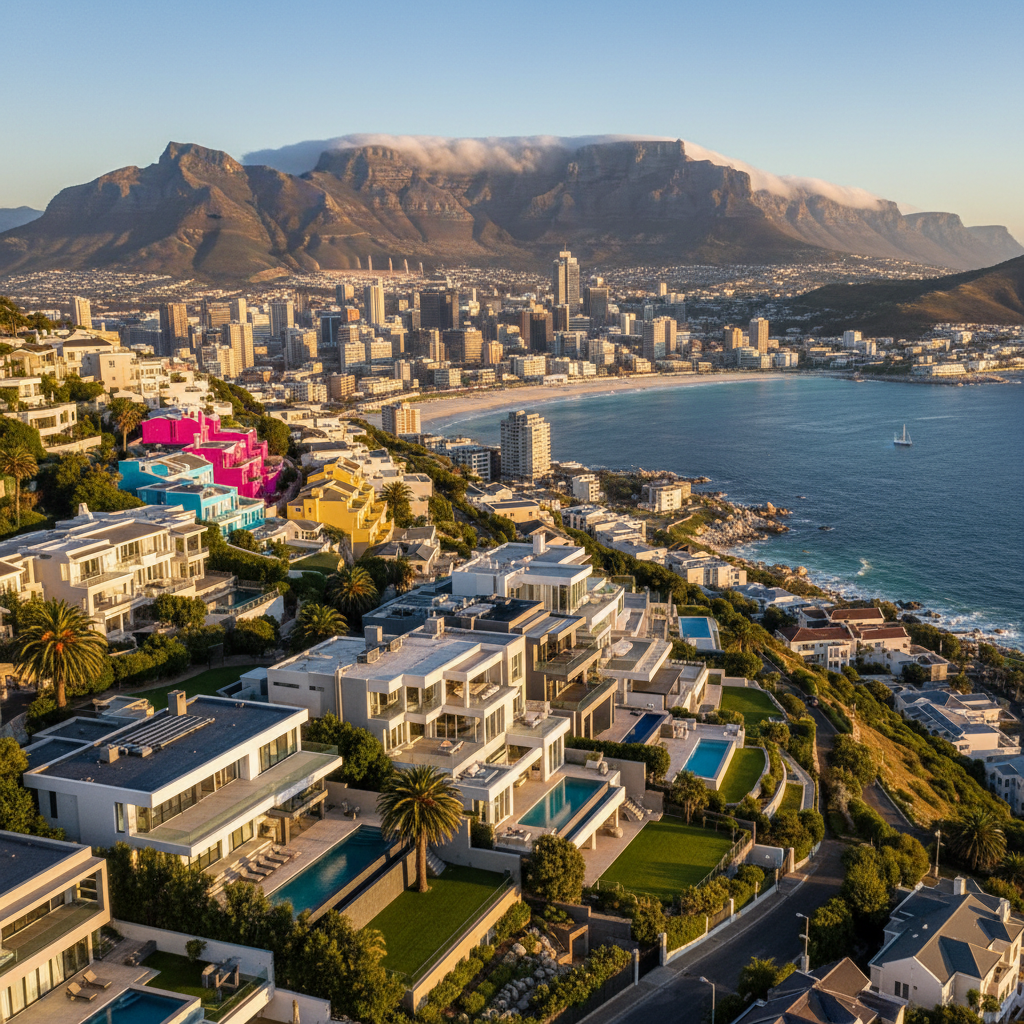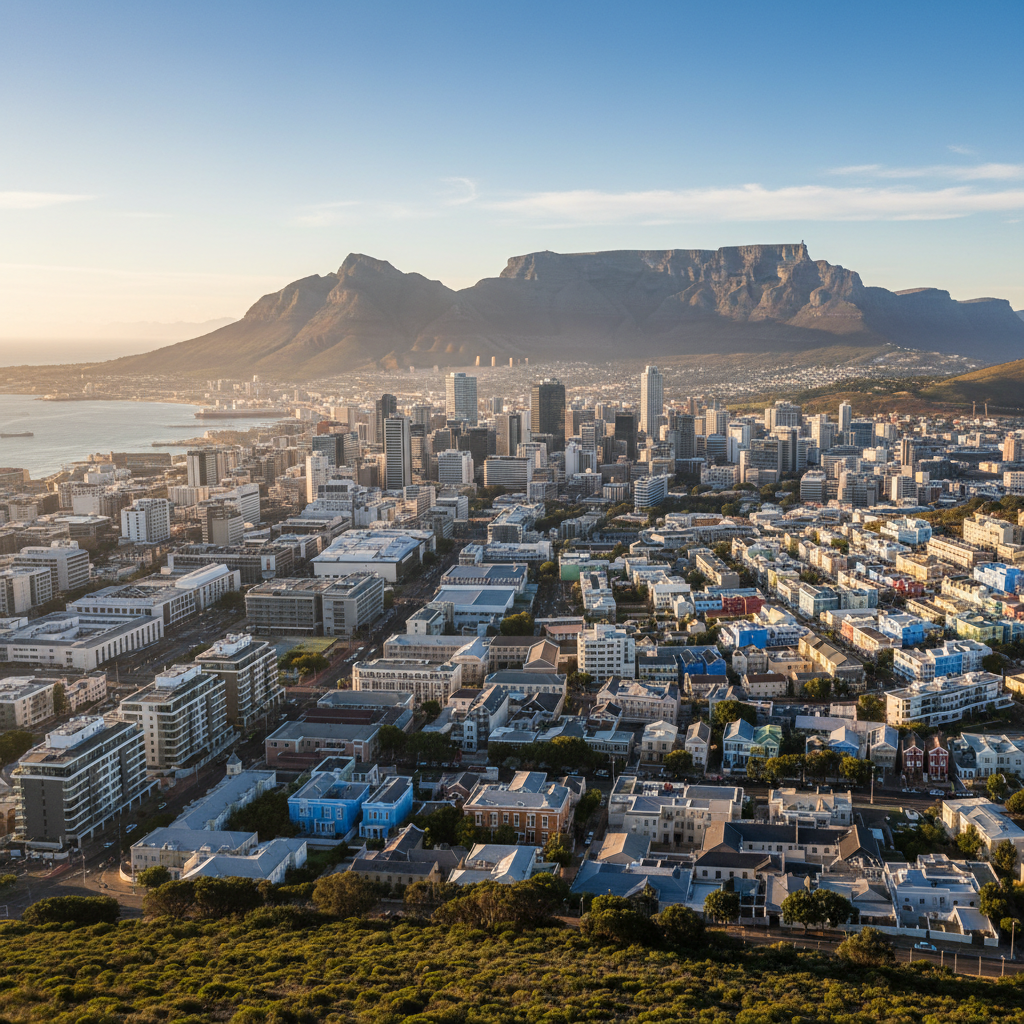
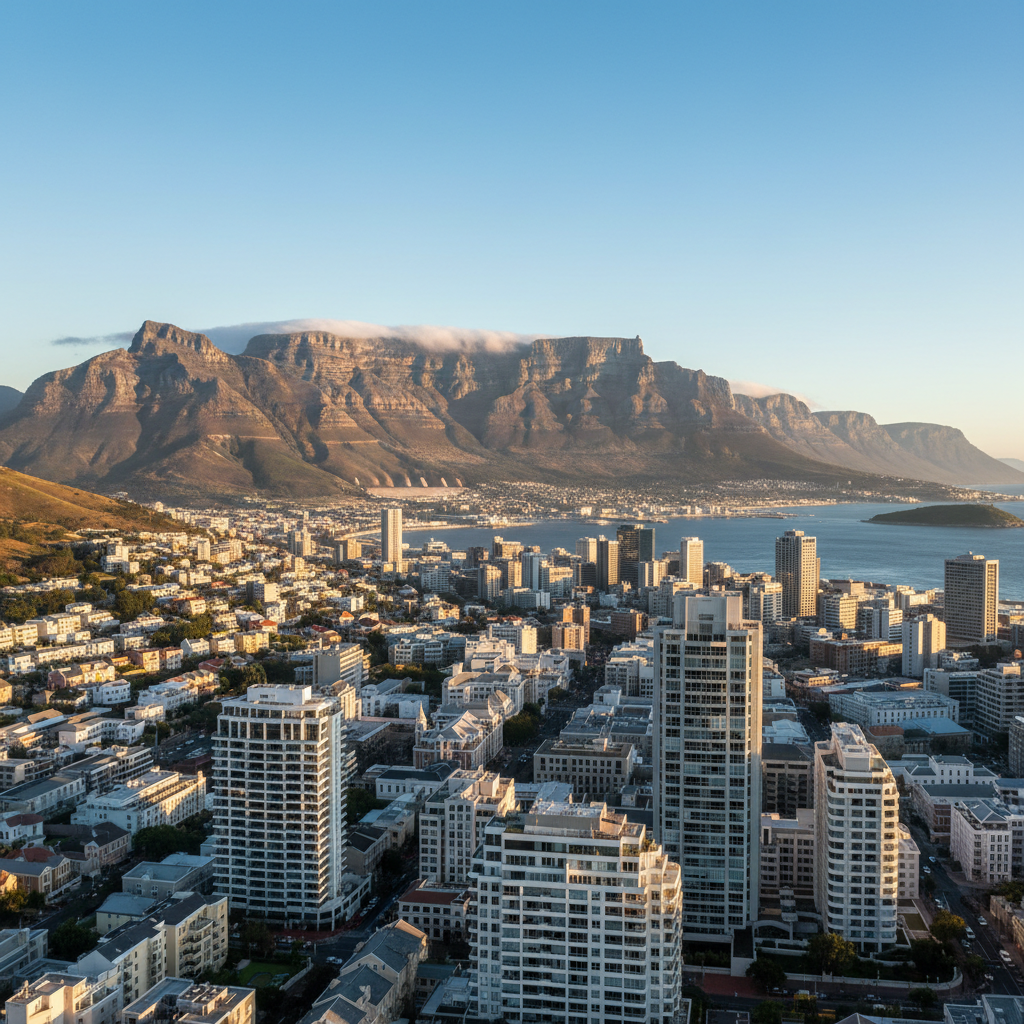
In an unexpected turnaround, Cape Town's luxury property market has entered a new phase, characterized by escalating prices and a surge in transactions involving properties valued over R50 million. This transformation, which became evident in 2025, has reshaped the landscape of high-end real estate, positioning it as one of the most dynamic sectors in the city's property market.
Traditionally, properties priced above R50 million were viewed as rare gems, appealing primarily to a select group of high-net-worth individuals. However, recent trends indicate a shift in buyer behaviour, with these premium listings becoming increasingly sought after. In fact, sales of properties exceeding R100 million, once considered a rarity, are becoming more common, reflecting a growing confidence among affluent buyers.
Industry insiders attribute this shift to several factors, including a strong economic outlook, a desire for exclusive living spaces, and an influx of overseas investors looking for premium property options in one of the world's most picturesque cities. According to real estate developers and agents, the changing landscape is not only reshaping buyer expectations but also redefining the very essence of luxury living in Cape Town.
“Cape Town's luxury property market is evolving with high-value sales becoming the new norm.”
The increase in luxury property transactions is echoed by a rise in average prices, which have surged by approximately 20% year-on-year in certain premium areas. Areas like the Cape Windward Estates, Camps Bay, and the Constantia wine region have become attractive hotspots, enticing buyers with their blend of scenic views and unique amenities. As one reputable estate agent put it, "With the demand for high-end properties skyrocketing, we are witnessing an entirely new demographic entering the market, one that seeks not just a home but a lifestyle."
This shift is also indicative of a more relaxed and confident approach to property investments. Over the past two years, buyers have shown greater willingness to secure large investments in prime locations, aiming for properties that ensure both prestige and potential for high returns. According to sources, this trend is buoyed by improved economic conditions, including the recovery of the tourism sector and a more stable political climate.
While the increase in sales is encouraging, it also raises questions about sustainability. As more buyers enter the luxury segment, concerns regarding property availability and pricing inflation arise. Experts are urging potential buyers to conduct thorough market research and consider the long-term implications of investments in this rapidly evolving sector.
Despite these challenges, the consensus among real estate professionals remains optimistic. An increase in luxury property sales typically stimulates economic growth, creating ripple effects in related sectors such as construction, design, and local businesses that cater to a wealthier clientele. Moreover, as high-net-worth individuals are drawn to Cape Town, the city stands to benefit from increased spending, which could lead to advancements in infrastructure and job creation.
As we move further into 2026, the expectations for Cape Town’s luxury property market continue to rise. With the city’s unique appeal, combining natural beauty with a cosmopolitan lifestyle, real estate professionals are confident that this trend will not only persist but flourish. A more diverse range of properties are now coming onto the market, offering buyers various options that cater to luxury living across multiple niches, including eco-friendly homes and ultra-modern architectural designs.
One notable facet of this ongoing transformation is the emergence of technology in real estate transactions. Virtual tours and rich online listings are making it easier for potential buyers, including international customers, to explore options from the comfort of their homes, thus broadening the appeal of Cape Town’s luxury market.
In conclusion, as the luxury property market in Cape Town experiences this significant shift, all indicators suggest a vibrant future ahead. The implications extend beyond mere statistics, signalling to potential investors that Cape Town is not only a desirable place to live but also a lucrative opportunity waiting to be explored.