Cape Town's property market remains a shining star in South Africa's residential landscape, as indicators from January 2026 reveal exceptional momentum that defies national trends. Reports show that while other regions may be experiencing a slowdown, the Western Cape continues to attract discerning buyers and maintain strong demand.
Interest in Cape Town real estate has surged, cementing its status as a hotspot for both local and international investors. According to industry analysts, the average time properties spend on the market remains impressively low, with many homes being sold in a matter of weeks. "We're seeing properties fly off the shelves much faster than the national average," one local real estate agent noted. This trend points to a genuine confidence in the market’s stability and growth potential.
The competitive lending environment is another factor contributing to the region's robust performance. Banks are responding to strong demand by offering attractive interest rates, which makes financing property more accessible for buyers. Lower legal costs associated with property transfers further add to the appeal, allowing more people to consider purchasing in Cape Town's vibrant suburbs and sought-after city areas.
“Cape Town's property market is not just surviving; it's thriving amidst national challenges.”
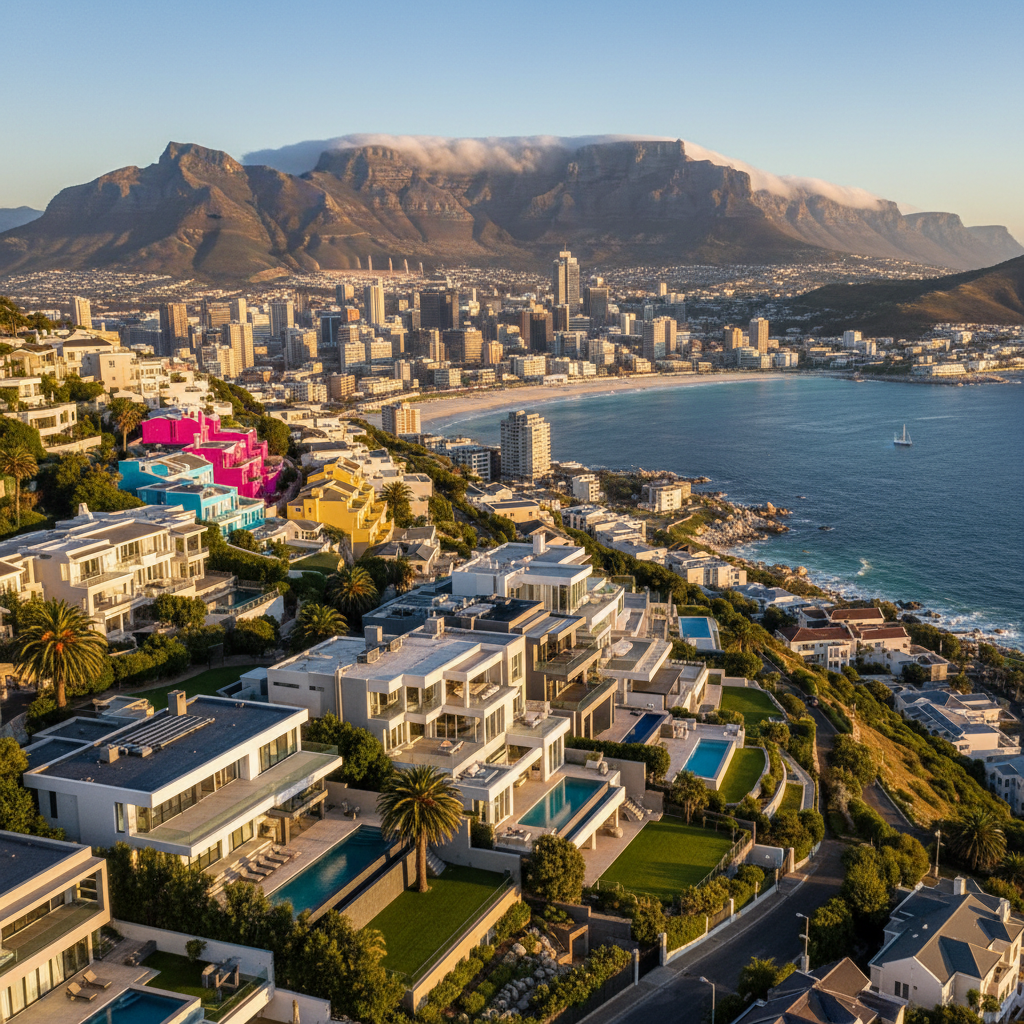
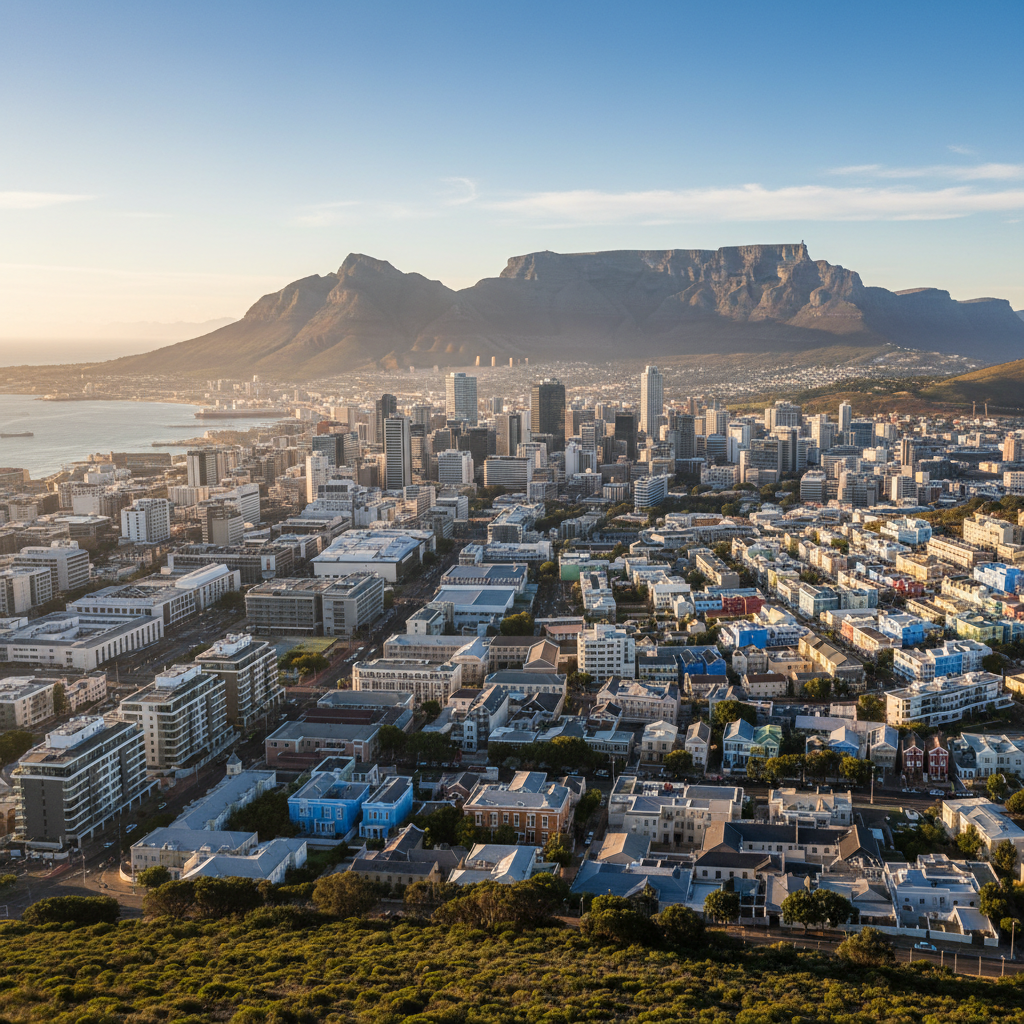
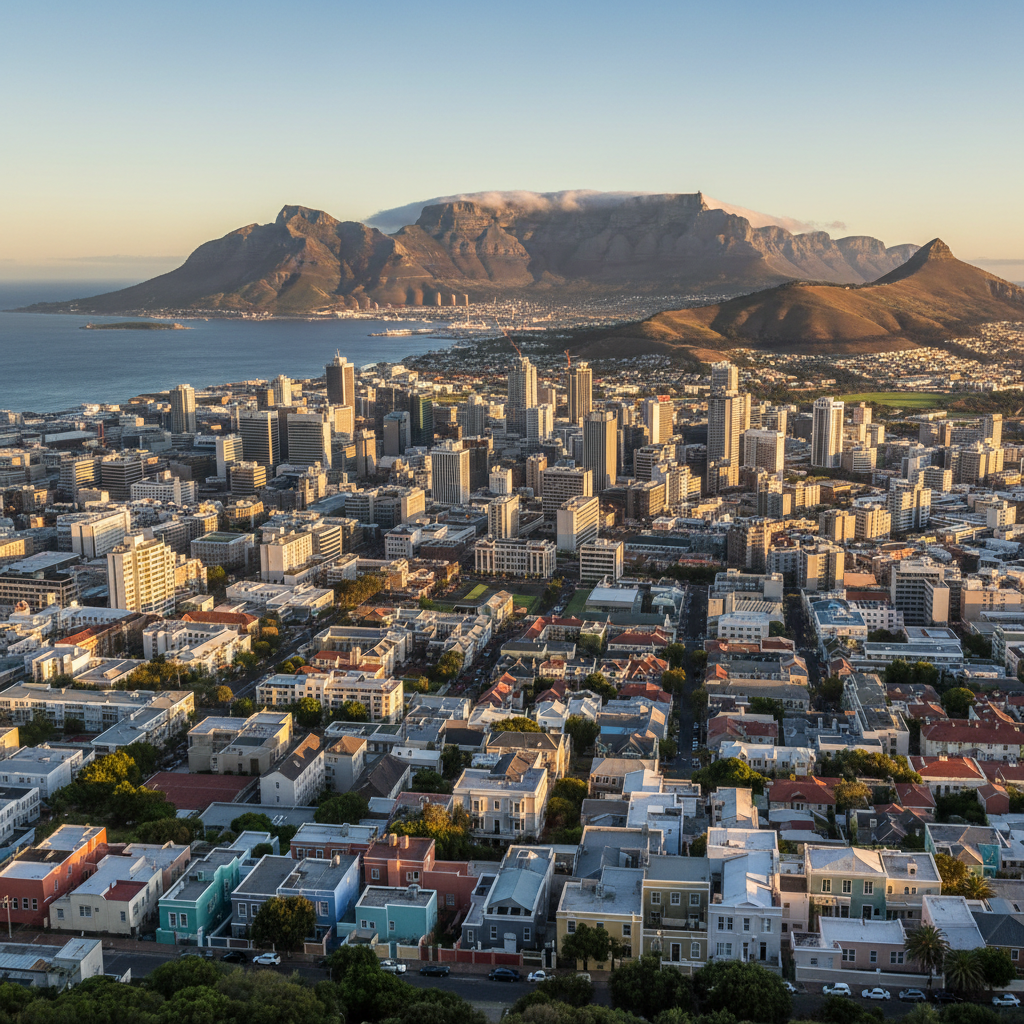
Amid these positive developments, statistics indicate a forecasted price growth of between 4% and 7% in prime areas throughout 2026. This is particularly encouraging for existing homeowners and prospective buyers alike, who may be looking to secure their investments in property. Areas such as the Atlantic Seaboard, Constantia, and the City Bowl continue to see steady interest, particularly among buyers seeking luxury homes, often with ocean views or proximity to the mountains.
In contrast to the slight cooling being felt in other parts of the country, Cape Town’s property market reflects not only the desirability of living in one of South Africa's most beautiful cities but also a resilient local economy. Job creation and economic opportunities driven by tourism, technology, and retail sectors continually attract new residents, further fueling the property market.
Local buyers exhibit a strong focus on value—pushing them to look for properties that not only accommodate their needs but also serve as long-term investments. This can be seen in the growing interest in areas slightly further afield from the city centre, where buyers are seeking value without compromising lifestyle.
In an environment where first-time buyers traditionally face barriers such as high prices and stringent lending criteria, the current trends suggest a more hopeful outlook. Many potential buyers are now feeling encouraged to enter the market, thanks in part to more favourable lending conditions and a plethora of lower entry price points in suburban areas.
However, while the outlook appears positive, potential buyers should remain vigilant. Experts advise that increased demand may lead to a spike in prices, which could impact affordability for those not yet in the property market. Additionally, the economic climate remains unpredictable, and thus, potential buyers should carefully consider their financial stability before making commitments.
Economic resilience, expressed through a thriving property market, plays a crucial role in broader community dynamics. It suggests not just individual wealth, but an interconnected growth that benefits local businesses, service providers, and employment. These factors illustrate why monitoring local property developments is vital for the ongoing improvement and understanding of the Western Cape’s economy.
As we step into 2026, the promising trends emerging in Cape Town signal bright prospects ahead. The property market does not merely reflect a series of transactions; it encompasses the aspirations of families and investors who shape the tapestry of our shared community. Sustained growth will further entrench Cape Town’s reputation as a desirable living and investment destination, ultimately contributing to South Africa's overall economic recovery and growth.