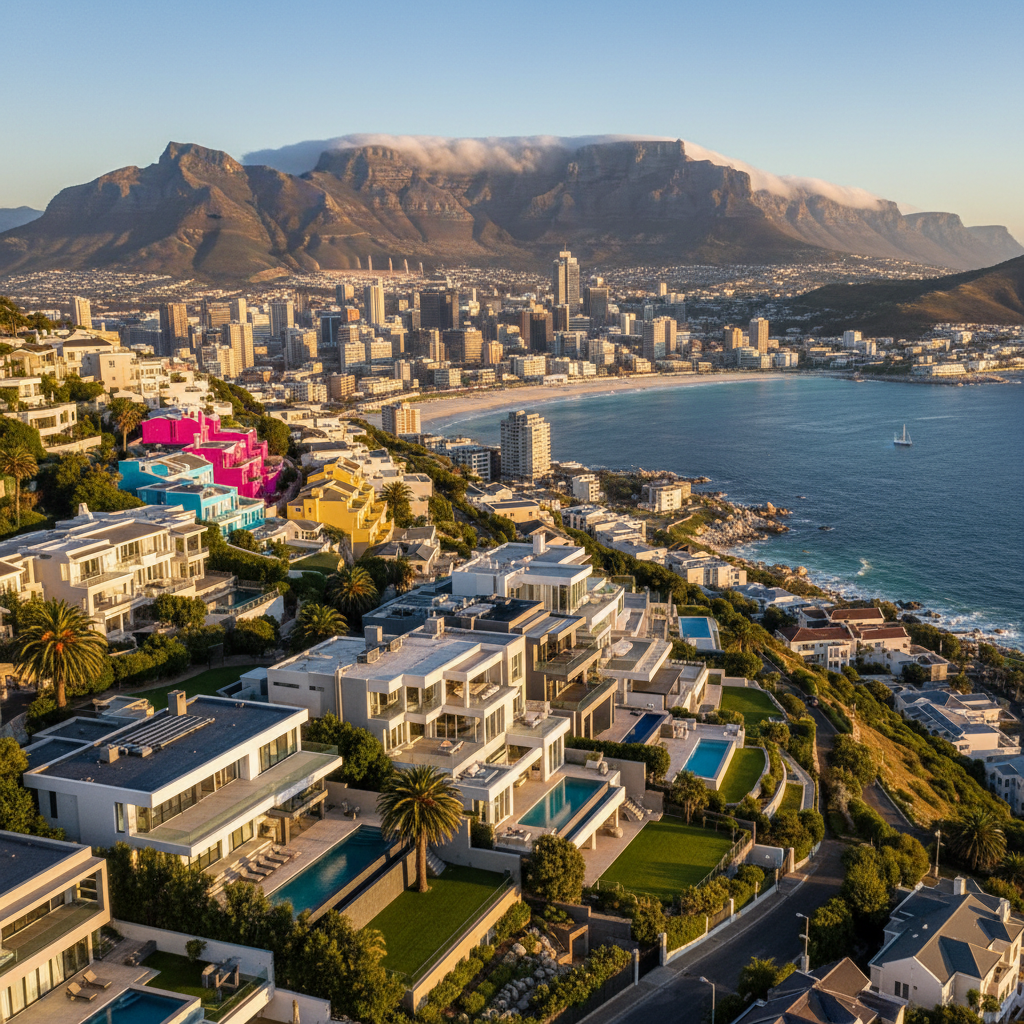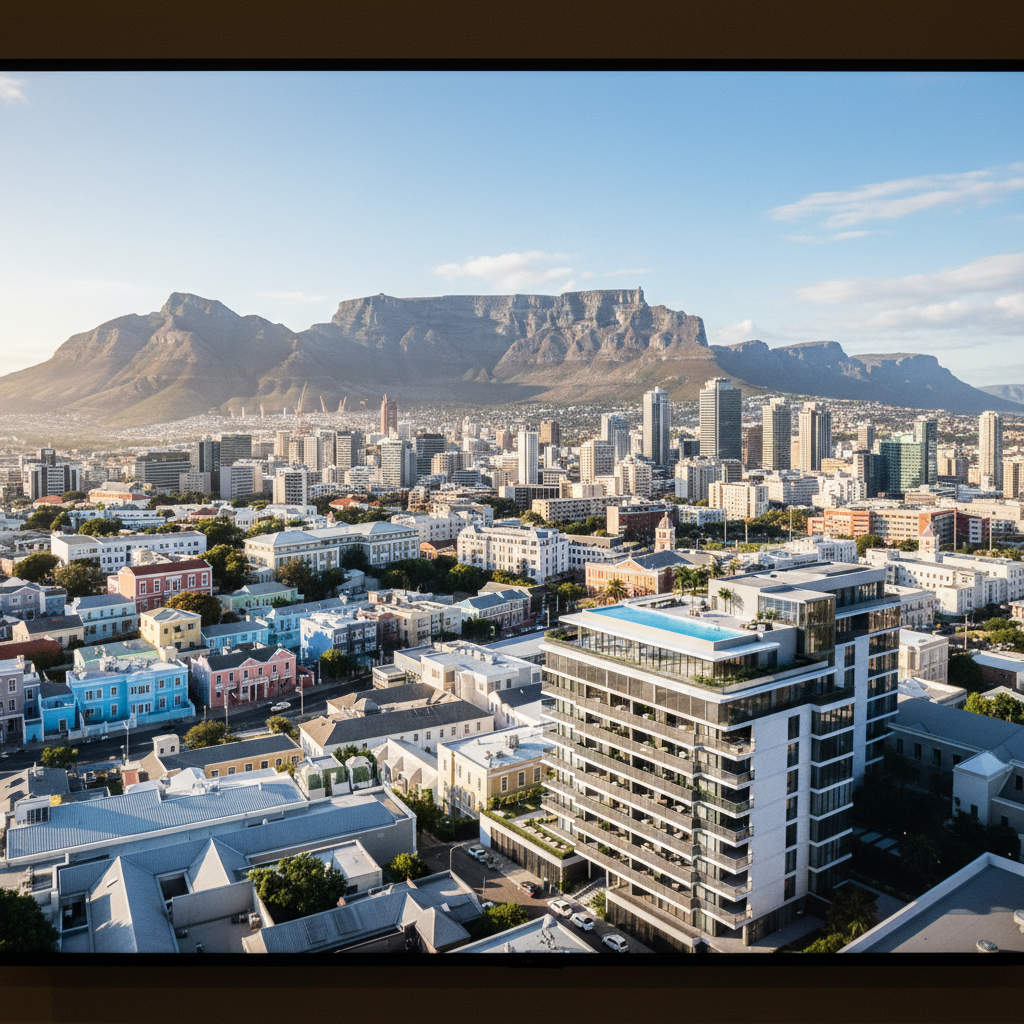
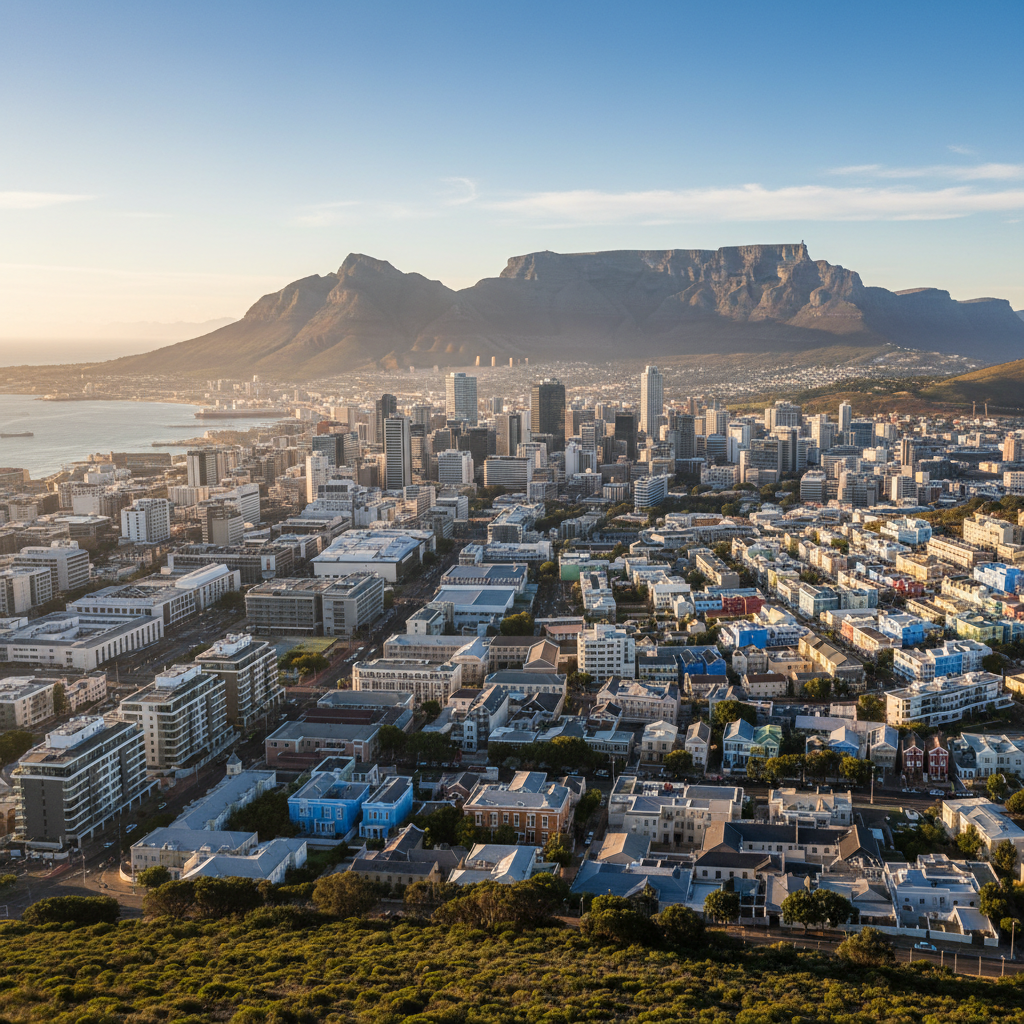
As South Africa grapples with a fluctuating economy, Cape Town is witnessing a property market boom that defies national trends. The City of Cape Town has seen its property values increase by an impressive average of 10% annually, firmly positioning it as the leading real estate destination in the country. This remarkable growth can be attributed to a combination of factors working in harmony: effective local government service delivery, a robust local economy, the allure of a coastal lifestyle, and significant semigration from other provinces.
Since 2020, when the Covid-19 pandemic shifted many South Africans' perspectives on work and home life, the property market in Cape Town has shown remarkable resilience. As more people embraced remote working, the desire for spacious, peaceful homes led many individuals and families to move from inland provinces such as Gauteng and Mpumalanga to the Western Cape. This semigration trend has boosted demand significantly, consequently driving property prices upward.
According to property analysts, the coastal city’s market performance reveals a stark contrast to other major cities, where property values are either stagnant or increasing at a much slower pace. For instance, while Johannesburg and Durban struggle with slower growth rates, property prices in Cape Town are now approximately double the national average—an enticing prospect for property investors and buyers alike.
“Cape Town's property market is not just surviving, it is thriving with a nearly 10% annual increase in values.”
In talks with local estate agents, reports indicate that the Cape Town metropolitan area offers a range of properties that appeal to various demographics. From luxury waterfront homes to affordable suburban family properties, the market has something for everyone. One estate agent noted, “The demand across various property segments is unprecedented, and buyers are willing to pay a premium for homes that offer an enviable lifestyle.”
The appeal of Cape Town extends beyond just property prices; it embodies a lifestyle that is hard to replicate elsewhere in the country. The stunning landscapes, vibrant culture, outdoor lifestyle, and mild Mediterranean climate have all played a role in drawing people to the Mother City. Furthermore, the City of Cape Town has been commended for its ongoing efforts to improve infrastructure and enhance service delivery, which has contributed to a desirable living environment.
In addition to the lifestyle factors, Cape Town’s strong local economy is a solid foundation for its property market growth. With sectors such as technology, tourism, and agriculture expanding, the job market has seen positive traction, drawing more people to relocate to the area. This economic stability reassures buyers and investors about the potential for property value appreciation.
However, the vibrant property market is not without its challenges. Affordability remains a pressing issue for many residents. While property values are on the rise, income levels have not experienced a similar upward trajectory, making it increasingly difficult for first-time buyers to enter the market. Additionally, property developers are facing rising construction costs, which could further exacerbate supply shortages in the future.
City officials remain optimistic about the future of Cape Town's property market. According to the City of Cape Town’s Housing Director, the city aims to maintain a balanced growth approach, focusing on both affordable housing initiatives and the luxury market segments. “It is crucial that we develop new housing opportunities while also ensuring that our existing communities have access to the necessary resources and amenities,” the Director said.
As the property market flourishes, investors and buyers alike are keeping a close eye on emerging trends and future developments. Interest rates remain a crucial factor in the market, with many hoping for a stabilisation that encourages healthy activity. The government’s response to the housing crisis is also under scrutiny, as developers await to see how policies will affect construction and property sales.
Analysis The strength of Cape Town's property market speaks volumes about the city’s overall economic health and desirability. As more individuals and families seek the benefits of coastal living, it is essential to consider the implications this trend has on infrastructure, service delivery, and housing availability in the coming years. Failure to adapt to these changes could lead to greater inequalities and housing shortages, which could dampen the market's vibrancy.
Ultimately, what emerges from Cape Town’s real estate growth is a City whose appeal transcends its boundaries, drawing people in with the promise of opportunity, lifestyle, and investment potential. As the world continues to change, Cape Town's property market stands testament to resilience and opportunity, challenging national trends and setting new benchmarks.