
In 2026, Cape Town's property market is exhibiting a unique blend of resilience and transformation. The impact of semigration continues to shape the urban landscape, as families and professionals prioritize lifestyle and work balance, leading to increased demand in several suburbs previously deemed less desirable. Areas like Fish Hoek and Hout Bay, once overshadowed by their upscale counterparts in the Southern Suburbs, are now thriving as they offer a more accessible entry point into the Cape Town property market while boasting stunning natural scenery.
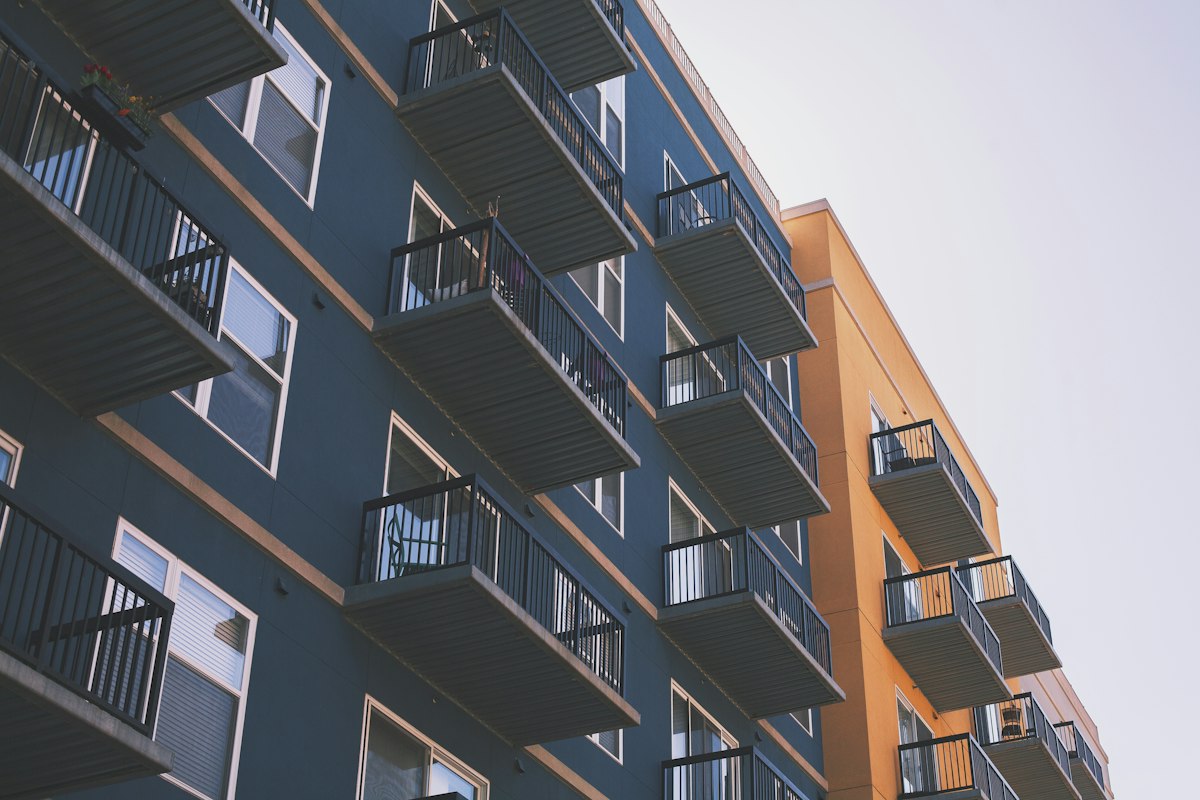
New developments are emerging as urban planners respond to the growing appetite for more affordable housing. The City of Cape Town has made strides with its inclusionary housing policy, spurred by the administration's commitment to addressing historical inequalities. Projects such as the new mixed-use development in the heart of Woodstock are not only providing housing but also fostering vibrant communities that include commercial, retail, and recreational spaces. This holistic approach mirrors the broader trend of prioritizing sustainable living, which resonates well with both local and international investors.
Simultaneously, the rental market is evolving with this shift in demographics. Young professionals, many of whom are part of the technology and creative sectors, are drawn to the lively atmosphere of neighborhoods like Salt River and Observatory. These areas are not only affordable but also close to the amenities that facilitate a modern lifestyle. Landlords are adapting to this demand, offering flexible leases and modernized living spaces that reflect the preferences of a generation that values experience over ownership. However, this shift also raises questions about affordability for existing residents.
As Cape Town continues to grapple with issues of housing affordability, there emerges a critical need for a more integrated approach to urban planning. The balance must be struck between attracting new investment and ensuring that traditional communities are not left behind. Cape Town's future hinges on creating inclusive spaces that cater to diverse populations while preserving the unique character that each neighborhood offers. Without such consideration, the vibrancy that makes Cape Town a world-class city risks being compromised by gentrification and the widening gap between the affluent and the underprivileged.