
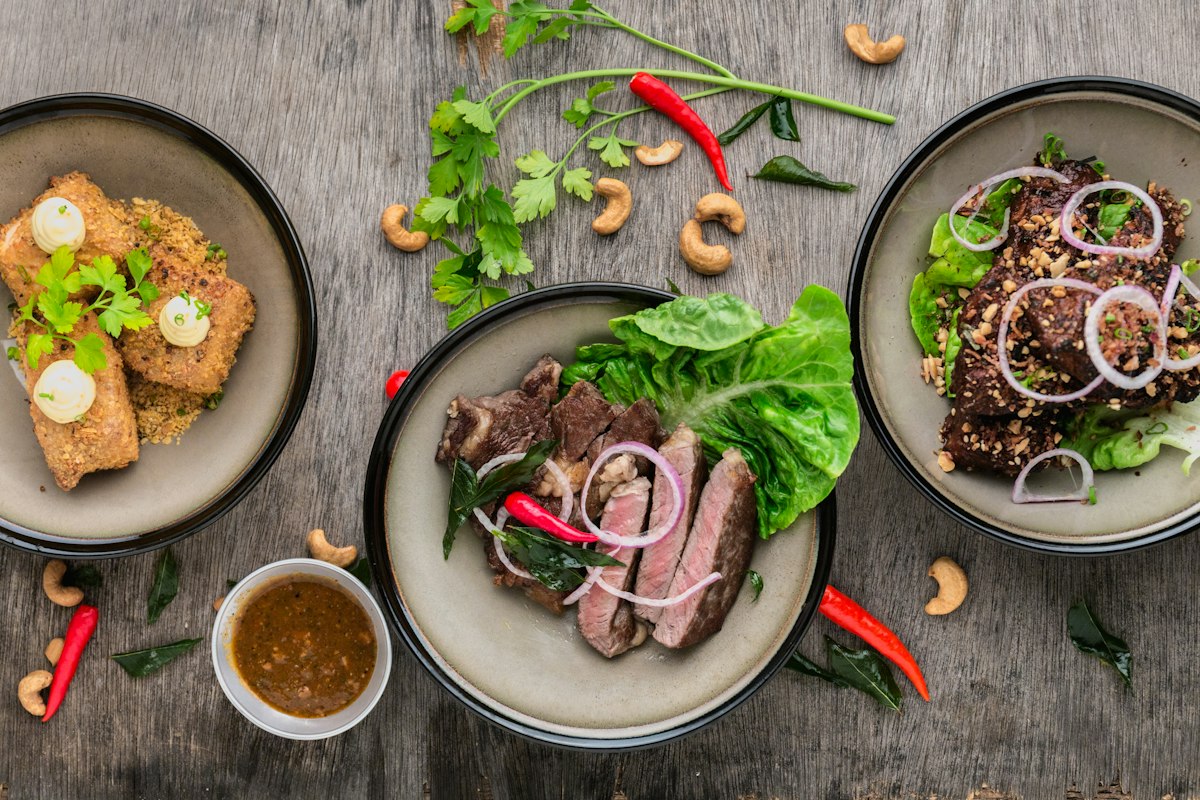
The culinary scene in Cape Town has never been more vibrant, as we witness a profound transformation in how food is produced, prepared, and celebrated. With a growing emphasis on sustainability and local sourcing, many restaurants are aligning their menus with the principles of the 'farm-to-table' movement. Diners are increasingly interested in knowing where their food comes from, prompting local chefs to collaborate directly with farmers and artisanal producers across the Western Cape.
This shift in consumer behavior has given rise to a plethora of new dining establishments. For instance, nestled in the heart of the CBD, the recently opened "Harvest Table" stands out with its innovative approach, emphasizing seasonal ingredients sourced from nearby farms, such as the acclaimed Groenland Wine Estate and the vibrant Stellenbosch Farmers’ Market, which enjoys a reputation for high-quality produce. The restaurant's head chef, Thandi Nkosi, has crafted a menu that makes the most of the region's rich biodiversity, highlighting dishes that change with the seasons, ensuring that each dining experience is unique.
As part of this culinary renaissance, we also see a marked shift towards ethnic and fusion cuisines that reflect the city’s diverse population. Restaurants like "Kasi Kitchen" in Cape Flats are elevating traditional South African street food and integrating global flavors to create something distinctly Cape Town. This mixing of cultures not only celebrates local heritage but also attracts both locals and international tourists eager to explore the city’s multitude of flavors. Events such as the Cape Town Street Food Festival have also gained traction, showcasing the creativity of food vendors who bring their backgrounds and culinary stories to life on a plate.
Moreover, the role of technology in food delivery and preparation is reshaping the landscape further. Digital platforms are enabling small businesses to reach wider audiences, while innovations like vertical farming are taking root in urban settings, allowing for fresh produce to be grown close to where it’s consumed. As more consumers value convenience without compromising quality or ethics, these dynamic changes suggest that Cape Town's food scene is not only adapting but thriving amid evolving global trends.